It's a Small, Small World
Anorexia, bulimia, overexercising and the narrowed vision that blinds you to what and who matter

There were guns, tanks, drones, SWAT and explosions in our neighborhood this weekend. All in search of a neighbor’s son, who was on the run with a gun. It was horrific and scary, and a microcosm of every fissure in this country and world right now. Social media posts, threats, rumors, group texts, the most vile comments about dogs and Black boys and immigrants under the CrimeSolvers picture. In the middle of this were our neighbors, the kindest family and their home, ruined by a police raid. The dad we all know and talk to on dog walks. The pitbull so sweet my super skittish Laser (who was attacked once by big-ass dogs) fell hard for him and insists on sniffs and licks each morning. The mother who’s worked at the community center. A son we’d all watch grow up, who was nothing but sweet and polite. He and I talked often about dogs, motorcycles, books and our favorite coffeeshop. Their adult son was arrested without incident after four surreal days — beautiful breezes, low temperatures and a heightened realization that no matter how good you are, very bad things can happen and change it all.
The fear and tragedy of this are not mine. So I will not tell that story, despite the former news reporter in me wanting to report live from the scene. What I would report, however, is how this neighborhood, or at least a dozen women and men, have just shown up. The morning after, we cleaned up glass and gave endless hugs. Since then, via group texts of ever-changing permutations (people dropped off, it’s heavy stuff) we coordinated dog walks, we sent links to defense lawyers and we’ve started a fundraiser. We’ve walked with the mom and the dad, we’ve prayed.
What the f does this have to do with my in-remission eating disorder? Well, most of the caretaking and intel gathering has happened in the morning — when we walk with our dogs, or take out the trash or to work out at the park near our homes. For 18 of the years I lived here, I would barely slow down to talk to neighbors before 1 p.m. Sure I’d smile, but if I were working out, you were not about to interrupt me. My heart rate had to stay above a certain number; my minutes had to reach a certain mark. Only then, after I’d served my master, my eating disorder, would I allow myself to engage with the world. If, of course, all that running, elliptically and biking hadn’t left me injured and angry — which it did almost weekly.
Eating disorders, the theory goes, are about to control. For me, it was about narrowing my focus to nothing but my body. The amount of time I spent exercising was only part of the time suck. If I did eat something, say four or five bagels, left over from a work breakfast, I’d spend at least an hour, getting up, taking the stairs to another floor to throw up in a bathroom where no one would recognize my shoes. Or I’d go to another building, say a hotel near my office, where the bathrooms were always available (if you’re a tiny white lady in work wear) and anonymous. Or I’d leave at lunch, to go work out, meaning I’d have to stay super late at work, writing fueled by hard candy and Diet Coke, only to get hungry again, since I’d thrown up earlier attempts at nourishment. Then I’d root through co-workers drawers for granola bars and Wheat Thins and the cycle would start again, with a new stop: I’d have to go down to CVS or 7-11 to replace the snacks I’d stolen. Those are just the physical manifestations of an eating disordered life. My head was full of thoughts about calories, minutes worked out, worries about that ache in my hip, or foot, machinations about how to rid myself of whatever I’d eaten, plans to get out of attending this lunch or avoiding that dinner invitation.
Eating disorders are jealous lovers. They demand all your attention and promise you a comfort and control you’ll never reach, like parents backing up in the pool, as you swim for their open arms. Only you never reach the comfort promised, and almost drown from the effort.
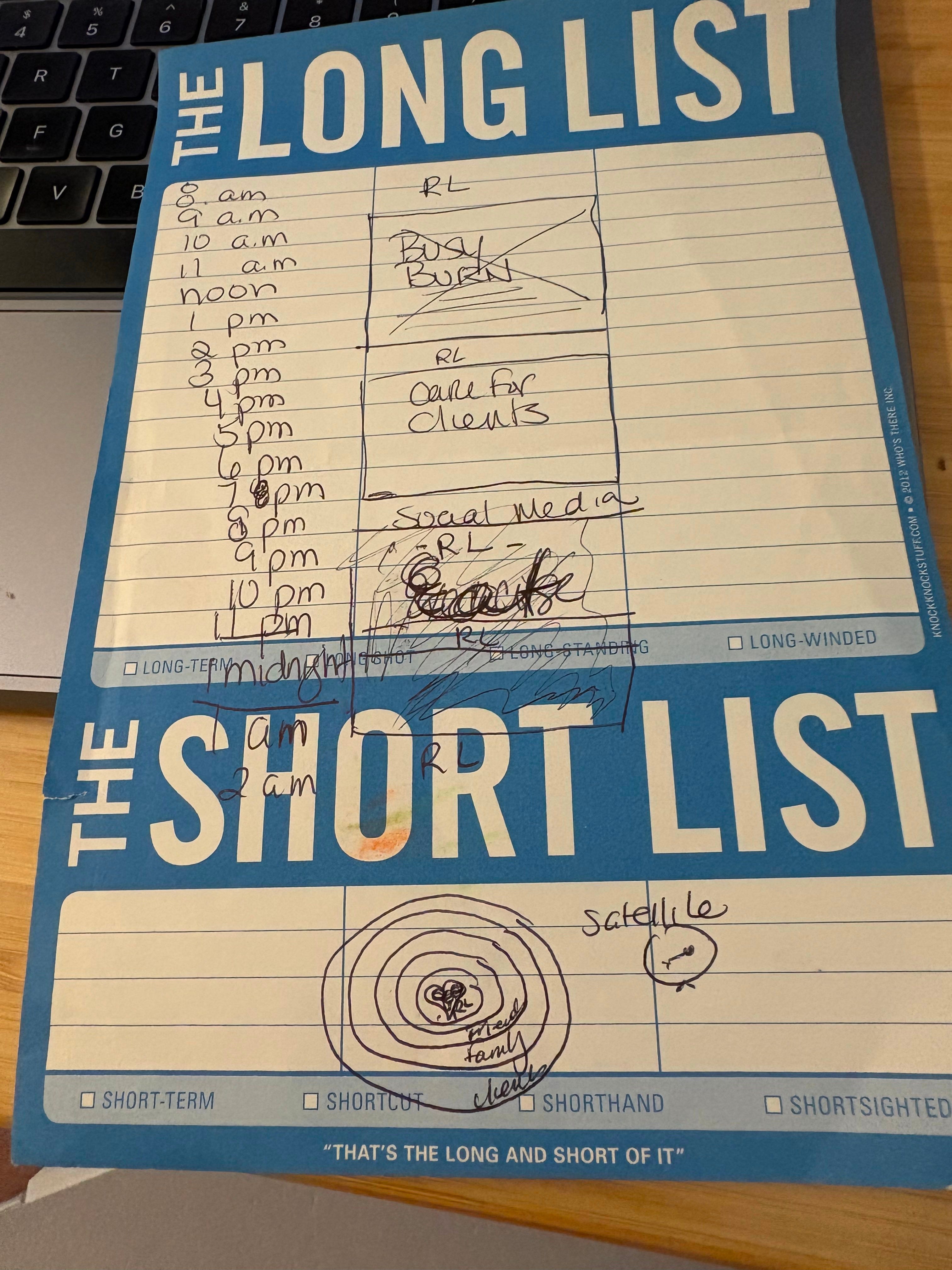
In treatment, we did lots of crafts and while I made fun of them, my drawings revealed how much of my life was being consumed by thoughts about my body. I drew a clock once, in which only three hours were left for my husband, family, dog and friends after I’d worked out, got a massage, walked or biked home from work, eaten and then gone upstairs to rid myself of food, then stayed up late binging, watching whatever Housewives were screaming, scheming and drinking on Bravo, then throwing up again while my husband slept. (I haven’t watched Bravo once since recovery. Bethenny, Carole and crew always justified my skinniness. I was an ardent, almost rabid fan. I had t-shirts with Andy Cohen’s face and portable wine glass. I even called into “Watch What What Happens twice” — getting on the air to thank Paula Abdul for my cheer camp success with her songs and asking Jerry Seinfeld if he were named any kind of superlative in high school).
The guilt was ever present; my boundaries almost non-existent. Boldly living an obvious lie made me hyper aware that I always needed to change the subject away from me, that I had to take care of my friends (when it was convenient for my workouts)
.
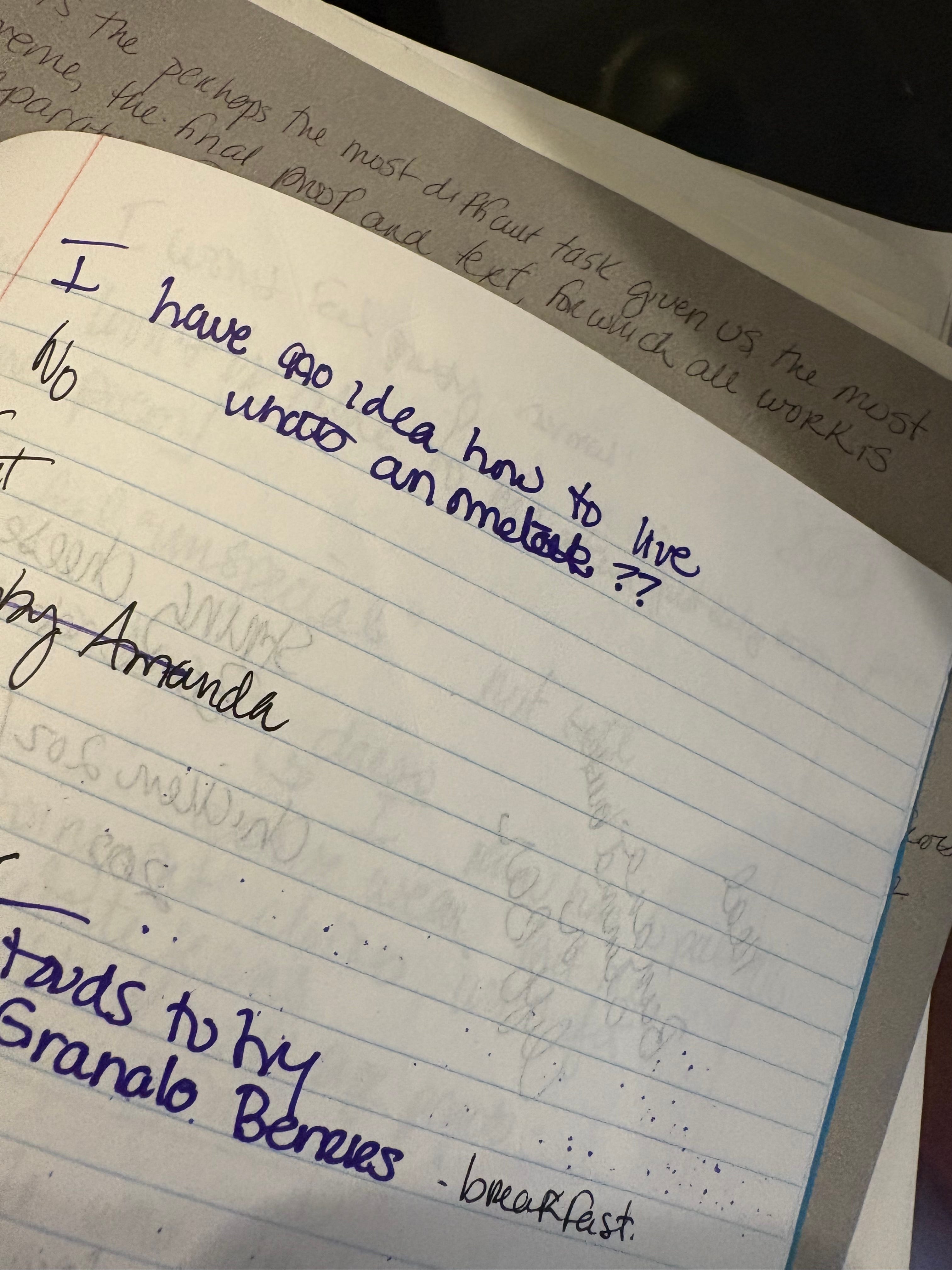
I was (and still can be) performative; let me entertain you to keep you from noticing the real pain here. I had to over-show up when I could since I’d put so many parameters and conditions about my time with friends. I became a massage therapist, when I couldn’t care for myself, for reasons that still come to surface. I needed to get into a practice of listening to my body, slowing down and being present. But first I had to play the part of someone who could actually do that and face the hypocrisy of the telling clients to rest and nourish when I was doing nothing of the sort. I over-committed, I said yes when I felt guilty for not being available, when the truth was I was never really truly present.
Presence has been the watch word this week. Every single time I’ve gone outside to run or dance, or come home from work, a neighbor or several have been there for me, and I for them. There’s no shrinking (ha) from the reality of this. We have to be there for each other, face to face, in person. I can’t run past the broken glass, ignore the scared pre-teens who want to the know the latest. It’s humbling and close to humiliating to confront how out of touch I would have been eight years ago, how my opposite-of-a-poker-face would have revealed my selfishness. My therapist would tell me to take it easy on my self. I was sick. I was coping the way I’d learned to at age 18. But the same therapist once asked me if I were living by my values. I had no answer. I know what my values are, but I was squishing them in the margins around my body and eating disorder.
Main-character syndrome, fueled by remote work and social media, has so many of us starring in our own feeds and valuing metrics of attention and distraction. It ain’t working. We need awkward conversations with coworkers and strangers. Filming a dance reel while the world burns — yep, I’ve been guilty of that one too. The distraction economy is real and the side effects of it are everywhere. When there are armed National Guard troops in the background of your TikTok, that “Day at the Wharf” content hits differently.
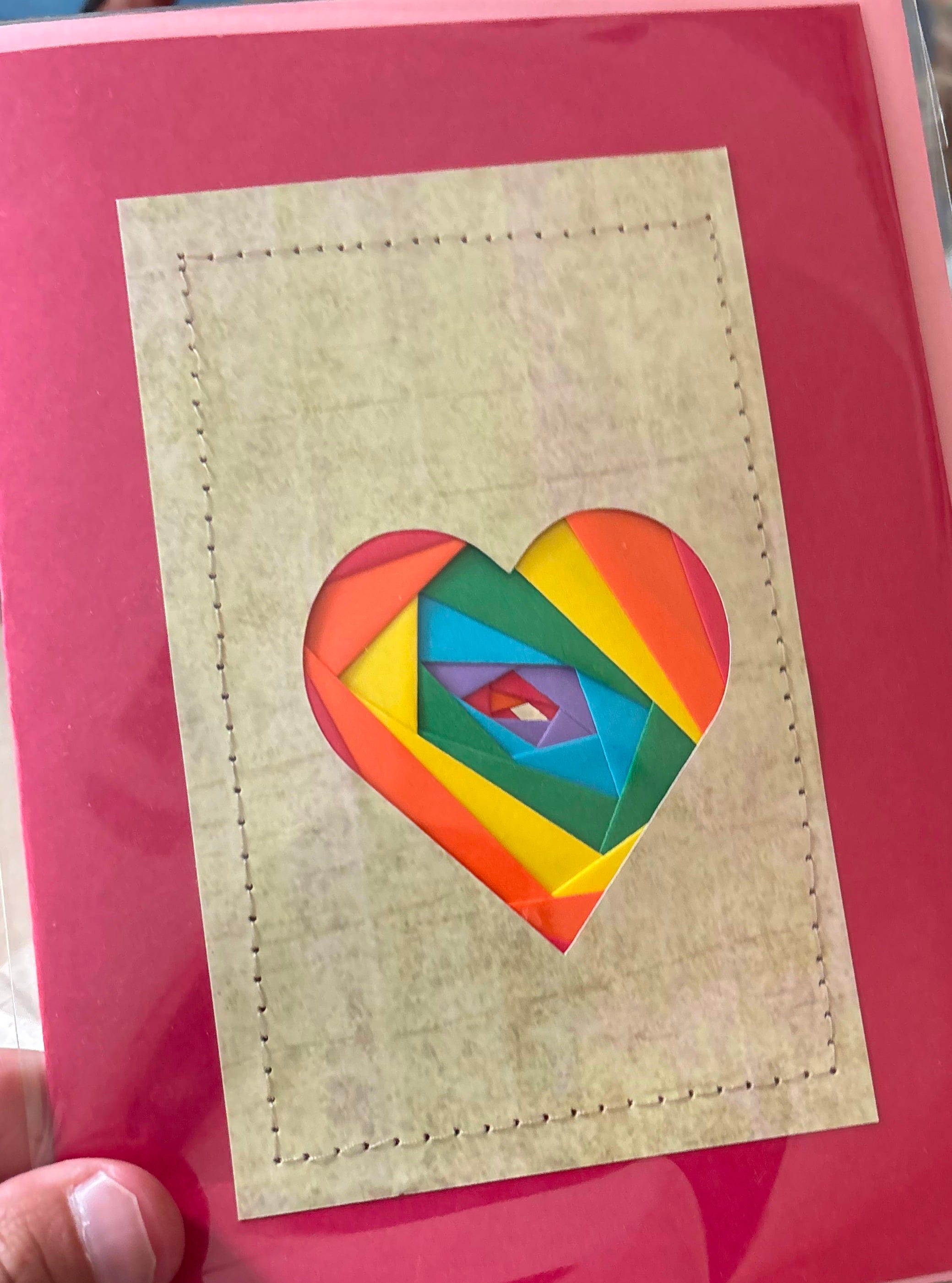
Two days ago, after a hair appointment, I spotted an artist in the window of cute restaurant that supports local artists, making folded-paper art, designed to look like the aperture of a camera. In photography, aperture is the adjustable opening in a camera lens that controls the amount of light entering the camera and affects the image's depth of field (how much of the scene is in focus).
I’d been struggling to put this week into focus when I saw that art. I knew I had to let in the light, and at the same time, balance my place in the scene. My white-lady guilt had me offering to do too many things, and then resenting it. In the middle of all this, my phone died for good, allowing me a 12-hour reprieve from the group texts and sense of urgency. Stepping back, my heart opened and my tight grasp lessened. I don’t and can’t fix this. I can just show up. Slow down. Offer to walk the dog. Look my neighbors in the eye and not run past the pain.